How to Choose an Auto Case Erector in 2026?

Time:2026-09-08 Author:Ethan
0%

Choosing an Auto Case Erector in 2026 requires more than comparing advertised speed. The right machine must match your cartons, production rhythm, operators, and future packaging plans. A unit rated for 30 cases per minute may struggle with warped corrugated board or frequent size changes.

In real packaging environments, small details affect daily performance. Check the case range, board thickness, magazine capacity, and changeover method. A clear control panel helps operators correct faults quickly. Reliable sensors should detect missing blanks, open flaps, and glue problems before they create a damaged shipment. Ask for documented test results using your actual case dimensions and materials.

Safety and service support deserve equal attention. Review guarding, emergency stops, access points, and maintenance instructions. Confirm spare-parts availability, remote assistance, and technician response times in your region. Total cost includes installation, training, electricity, consumables, downtime, and preventive maintenance. The lowest purchase price can become expensive after repeated stoppages.

Do not trust speed alone.

This guide examines practical selection criteria for 2026, using measurable performance rather than attractive claims. It also considers integration with conveyors, case packers, vision systems, and warehouse workflows. Some recommendations may need adjustment for unusual carton designs or harsh production conditions. That limitation matters. A machine that performs perfectly during a short demonstration may behave differently after months of dust, vibration, and rushed changeovers. Careful testing, supplier transparency, and operator feedback provide a more reliable basis for investment.
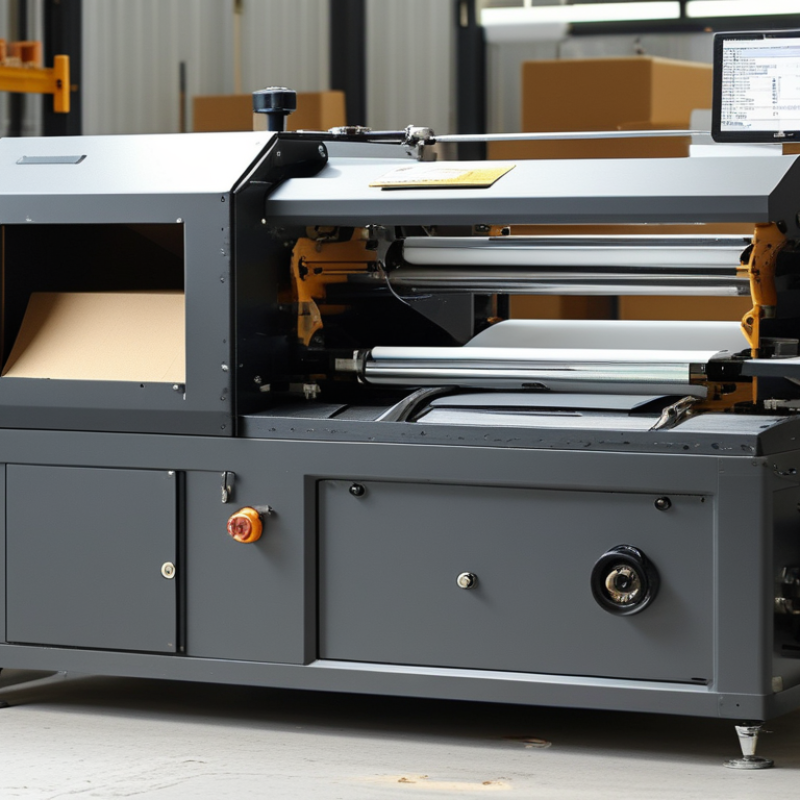
How to Choose an Auto Case Erector in 2026?

What Is an Automatic Case Erector and How Does It Work?

An automatic case erector converts flat corrugated blanks into open boxes with minimal operator handling. The machine draws one blank from a magazine using vacuum cups or mechanical grippers. It squares the panels, folds the bottom flaps, and seals them with tape or hot-melt adhesive. Sensors check blank position, box presence, and flap movement before the next cycle begins.

The control system usually combines a PLC, servo drives, and adjustable guides. These parts coordinate speed and timing. A well-designed erector can process several case sizes, but changeover quality matters more than advertised speed. I have found that a fast machine can create more waste when guides are poorly adjusted. That detail is easy to miss.

When choosing an automatic case erector in 2026, check its case-size range, magazine capacity, sealing method, and changeover time. Test your actual cartons, not only sample blanks. Board stiffness, recycled content, humidity, and printing can affect feeding reliability. Ask whether operators can access sensors safely and clean the vacuum system without special tools. The machine should also provide clear fault messages and usable production data.

Do not ignore floor space.

A narrow frame may simplify installation, but it can restrict maintenance access. Consider line speed, downstream equipment, spare parts availability, and staff training. A reliable erector should form square, stable cases repeatedly, even when carton quality is not perfect. No machine removes every variable. Human inspection still has value during startup and material changes.

How to Choose an Auto Case Erector in 2026?

Typical throughput ranges by automatic case erector configuration

Throughput is a useful first screening factor when selecting an automatic case erector. Intermittent systems generally suit variable production volumes, while continuous-motion systems are designed for higher and more consistent speeds. Actual performance depends on carton size, board grade, closure method, case quality, changeover time, and the stability of the feeding system.

Planning ranges are based on commonly published industrial equipment specifications and should be validated with production-line trials.

Which Case Types and Packaging Formats Does It Support?

An auto case erector should match your carton design, not merely your production speed. The key question is simple: Which case types can it open, square, and seal reliably?

Most machines handle regular slotted cartons, often called RSC cases. Some models also support half-slotted cases, tray-style cartons, and wrap-around blanks. These formats behave differently during forming. A shallow tray may need precise blank control. A tall case may require stronger squaring pressure. Side-seam or glued formats can also demand different feeding and folding systems.

Packaging format matters just as much. Check whether the machine accepts standard corrugated board, lightweight board, recycled fiber, or heavier double-wall material. Flute profile affects stiffness and fold accuracy. Small cartons usually need careful vacuum control, while large cartons may require stronger compression belts. Tape sealing and hot-melt sealing are common options, but neither suits every environment.

I once assumed a machine supporting RSC cases would handle every similar carton. That assumption was wrong. Minor changes in flap length caused jams during testing. Measure the blank length, width, height, flap overlap, and board thickness before choosing equipment. Ask for trials using your actual cartons and line speed. Include damaged or slightly warped blanks in the test. Real packaging is rarely perfect. A machine that performs well only with ideal samples may create expensive interruptions later.

Leave room for future case sizes. Frequent manual adjustments can erase the productivity gains you expected.

How to Match Machine Speed With Your Production Requirements

How to Choose an Auto Case Erector in 2026?

Machine speed should start with your production rhythm, not a brochure rating. Measure the required cases per minute during normal shifts. Include planned breaks, product changes, and minor stoppages. If your line needs 18 cases per minute, a machine rated at 20 may offer too little breathing room. A practical target might be 24 to 26 cases per minute, depending on carton quality and operator support.

Review real production data from the previous month. Record the slowest hour, not only the daily average. Then check case dimensions, board strength, flap design, and sealing method. These details can reduce actual output. During factory trials, run your own cartons for several hours. Watch for misaligned blanks, folded flaps, and rising air consumption. Short tests can hide problems.

A spreadsheet helps, but it can still mislead. I have seen a fast erector lose time because workers could not replenish blanks quickly. Allow space for carton storage and safe access around the machine. Confirm that changeovers are simple enough for your team to perform consistently. Ask for documented speed tests, maintenance intervals, and operator training. A reliable machine should match your measured demand, while leaving a manageable buffer for imperfect materials and real working conditions.

What Features Affect Reliability, Flexibility, and Maintenance?

When choosing an auto case erector in 2026, examine reliability beyond motor power. A rigid frame, stable vacuum control, and accurate carton detection reduce jams at the forming station. Good guarding matters too. Operators should reach belts, sensors, and glue components without removing half the machine.

The U.S. Department of Energy’s Operations & Maintenance Best Practices Guide reports that predictive maintenance can reduce maintenance costs by 25–30% and downtime by 35–45%. These figures support adding condition monitoring, but sensors alone cannot fix poor installation or weak training.

Flexibility affects long-term value. Choose tool-free size changes, recipe storage, adjustable guides, and a modular forming system. A practical test is simple: run several carton sizes after a short changeover, then inspect flap alignment and seal quality.

Deloitte’s 2024 Smart Manufacturing and Operations Survey found that 86% of manufacturers expect smart manufacturing to become a major competitiveness driver within three years.

Therefore, remote diagnostics and clear machine data deserve attention. However, excessive software can complicate maintenance. Keep the interface readable. Keep spare parts common.

A machine that changes formats quickly but demands specialist support may disappoint. I would also question optimistic supplier cycle-rate claims unless they include real carton quality, operator intervention, and sustained production conditions.

How to Compare Safety, Integration, Cost, and Supplier Support?

How to Choose an Auto Case Erector in 2026?

Safety should be tested before speed. Ask for a documented risk assessment using ISO 12100 principles. Check guarding, emergency stops, access doors, and restart prevention. Operators should reach routine adjustment points without entering danger zones. The 2024 Rockwell State of Smart Manufacturing Report found that 95% of manufacturers were investing in, or planning to invest in, AI and machine learning. This signals a wider shift toward connected equipment. However, connectivity must not weaken safety controls. That assumption deserves doubt.

Integration affects the real purchase price. Confirm communication protocols, line speed, case-size changeover, air consumption, and floor space. Request a factory acceptance test with your actual cases and tape or adhesive specification. Deloitte’s 2024 Smart Manufacturing and Operations Survey reported that 86% of surveyed leaders considered smart manufacturing important for competitiveness during the next five years. An erector should exchange useful data, not merely display alarms. Test fault messages on the production floor. Fancy dashboards are not enough.

Compare total cost of ownership, not only the quotation. Include tooling, spare parts, compressed-air demand, training, preventive maintenance, and expected downtime. A cheaper machine can become expensive after repeated jams. Ask the supplier for response times, remote-support limits, technician coverage, and a two-year parts plan. PMMI industry outlooks continue to identify labor availability and equipment integration as major packaging investment pressures. Still, supplier promises need evidence. Request reference sites, service records, and a clear acceptance clause. My own caution is simple: perfect forecasts rarely survive changing case board quality. Choose equipment that remains adjustable.

FAQS

: What does an automatic case erector do?

: It converts flat corrugated blanks into open boxes. Vacuum cups or grippers pull blanks from a magazine. The machine squares panels, folds bottom flaps, and applies tape or adhesive. Sensors check position, box presence, and flap movement. Human inspection still helps.

How fast can an automatic case erector operate?

Speed depends on carton quality, machine settings, and downstream equipment. Advertised cycle rates may not reflect real production. Poorly adjusted guides can create waste and jams. Test actual cartons under sustained operating conditions. Fast is not always better.

Which carton conditions can affect feeding reliability?

Board stiffness, recycled content, humidity, and printing can change feeding performance. Test cartons with different materials before purchase. A sample blank may hide problems. Real production material matters more.

Which features improve reliability?

Look for a rigid frame, stable vacuum control, and accurate carton detection. Adjustable guides should hold blanks squarely. Clear fault messages help operators respond quickly. Condition monitoring may reduce unexpected downtime. It cannot repair poor training.

How can one machine handle different case sizes?

Useful features include tool-free adjustments, stored recipes, and adjustable guides. A modular forming system can support several carton formats. Run multiple sizes after a short changeover. Inspect flap alignment and seal quality. Changeover claims need testing.

What safety points should buyers check?

Review guarding, emergency stops, access doors, and restart prevention. Operators should reach routine adjustment points safely. Ask for a documented machine risk assessment. Connectivity must not weaken safety controls. Safety comes before speed.

How should the erector integrate with a production line?

Confirm communication protocols, line speed, air consumption, floor space, and case-size changes. Check compatibility with sealing equipment and downstream conveyors. Request a factory test using actual cartons and sealing materials. Test fault messages on the production floor. Dashboards alone prove little.

What costs should be included beyond the purchase price?

Include tooling, spare parts, compressed air, training, maintenance, and expected downtime. Also consider floor space and maintenance access. A narrow frame may simplify installation but restrict servicing. Ask about technician coverage and response times. Cheap equipment can become expensive.

How should supplier support be evaluated?

Request service records, reference sites, spare-parts plans, and clear acceptance terms. Ask which support tasks operators can complete safely. Check whether sensors and vacuum components need special tools. Confirm remote-support limits. Promises require evidence.

Conclusion

Choosing the right Auto Case Erector in 2026 starts with understanding how the machine forms, squares, and seals flat cartons before they are filled. Buyers should confirm that the equipment supports their case materials, sizes, closure styles, and packaging formats, including regular slotted cartons and different sealing methods. Production speed should also match actual line demand, with enough capacity for peak periods without creating unnecessary cost or excessive wear.

Reliability and flexibility depend on features such as accurate case detection, easy size changeovers, durable forming components, accessible maintenance points, and clear controls. Safety systems, guarding, emergency stops, and compliance documentation should be reviewed before installation. It is equally important to evaluate communication interfaces, conveyor compatibility, footprint, energy use, total operating cost, training, spare parts availability, and technical support. A well-selected machine should deliver stable performance, simple operation, safe integration, and room for future packaging or production changes.


Ethan

Ethan

Ethan is a seasoned marketing professional with a deep expertise in our company's innovative product line. With a passion for sharing knowledge and insights, he takes the lead in regularly updating our corporate blog, where he explores industry trends, product features, and effective marketing......