In today's competitive landscape, businesses must prioritize selecting the right packing equipment. According to packing industry expert John Thompson, “Effective packing equipment can transform operational efficiency.” The right tools not only enhance productivity but also reduce waste.
Many businesses overlook the significance of their packing process. Poorly chosen packing equipment can lead to delays and increased costs. Companies often hesitate to invest in quality solutions, viewing packing as a minor detail. However, neglecting packing can result in customer dissatisfaction.
The choice of packing equipment reflects a company's commitment to quality. It speaks to their operational integrity. Investing wisely in packing systems can yield better customer experiences and higher profitability. Therefore, understanding the nuances of packing equipment is vital for any business aiming for long-term success.
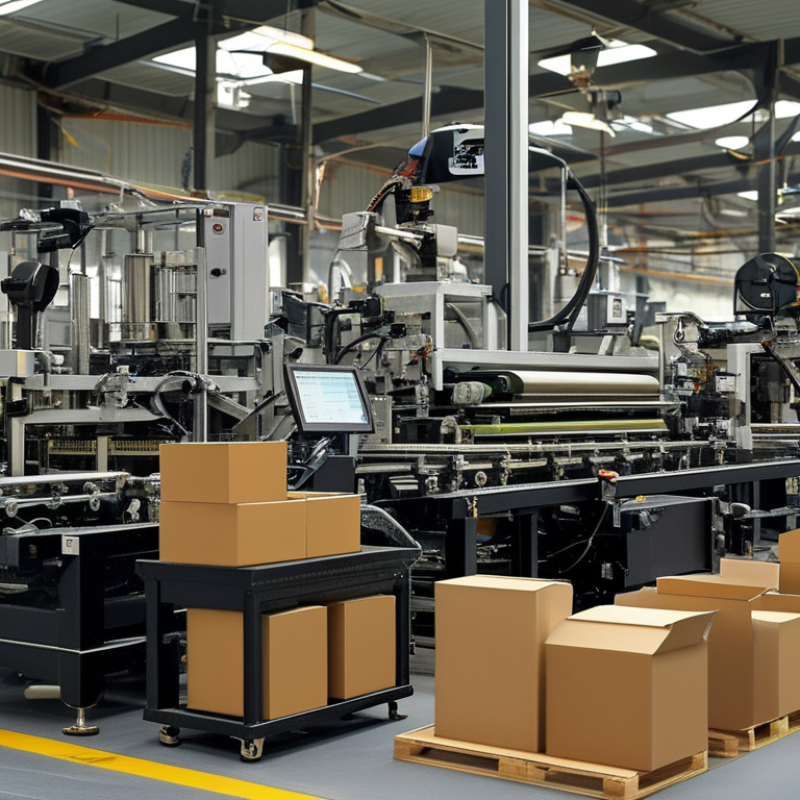
In modern business operations, packing equipment plays a crucial role. The right equipment not only ensures product safety but also enhances efficiency. For instance, automated packing machines can speed up the packing process, reducing labor costs. However, these machines require proper maintenance and skilled operators. Businesses must consider these factors when investing.
Additionally, choosing the right materials is critical. Eco-friendly options are becoming popular, but they can sometimes be costlier. A balance between sustainability and budget is necessary. Companies often grapple with this choice, leading to potential waste or delays. Regularly evaluating packing strategies can help identify areas for improvement.
Mistakes can happen when businesses overlook the specifics of their packing needs. Inadequate packaging might lead to damaged products, impacting customer satisfaction. Companies should routinely assess their packing efficiency and gather feedback from customers. Ultimately, understanding the significance of packing equipment is vital for seamless business operations.
| Packing Equipment Type | Key Features | Benefits | Common Industries |
|---|---|---|---|
| Automatic Case Sealer | Seals boxes automatically with tape/glue | Increased sealing speed, reduced labor costs | E-commerce, Food Packaging |
| Labeling Machine | Applies labels to products and packaging | Ensures compliance and improves branding | Beverages, Pharmaceuticals |
| Stretch Wrapper | Wraps stretch film around pallets | Stability during transport, reduces damage | Distribution, Warehousing |
| Shrink Wrap Machine | Covers products in plastic film that shrinks when heated | Improves product visibility and shelf life | Consumer Goods, Electronics |
| Vacuum Packaging Machine | Removes air and seals packaging | Extends shelf life, preserves freshness | Food Industry, Medical Supplies |
When selecting packing equipment, businesses must consider several key factors. The type of products being packed greatly influences the choice of equipment. Fragile items require protective packaging solutions. For heavier goods, robust machinery ensures reliability and efficiency. Understanding your product's characteristics is vital for optimal results.
Efficiency is another important factor. An ideal packing process minimizes time and resources. Businesses should evaluate the speed and adaptability of equipment. This flexibility allows for different product sizes and types without significant downtime. Cost-effectiveness plays a role here too, as an initial investment can save money in the long run. Yet, weighing the upfront costs against potential savings can be challenging.
Lastly, user training cannot be overlooked. Even the best equipment requires skilled operators. Investing in proper training can reduce mistakes and ensure safety. Furthermore, businesses should review equipment maintenance procedures. Regular checks can prevent unexpected breakdowns. Inadequate maintenance can lead to inefficiencies. Exploring these aspects is crucial for making informed decisions.
Choosing the right packing equipment is vital for enhancing cost efficiency and productivity. Effective packing reduces material waste and minimizes shipping costs. An efficient packing line can also speed up the fulfillment process, allowing businesses to meet customer demands quickly.
To make informed decisions, assess your current packing processes. Identify bottlenecks that hinder productivity. Sometimes, investing in machinery that suits your volume can lead to significant improvements. Automating your packing workflow can help you reduce labor costs and errors. However, it's essential to analyze whether the initial investment aligns with your budget and expected returns.
Consider the type of products you handle. Fragile items may require specialized packaging to prevent damage during transit. It's crucial to select equipment that matches your specific needs. Regularly review your packing solutions to adapt to changing business requirements. What worked last year might not be sufficient now. Embracing flexibility in your packing strategy can lead to long-term gains.
Choosing the right packing equipment is crucial for any business. The integrity of products during transit relies heavily on effective packaging. Proper packing equipment minimizes damage risks and maintains product quality. When products are securely packed, they are less likely to arrive at their destination in poor condition. This leads to increased customer satisfaction.
Moreover, suitable packing equipment can significantly enhance product protection. It prevents contamination and environmental damage, which can occur during transport. For instance, moisture-resistant materials are essential for sensitive items. While many businesses might overlook this, using outdated packing methods can lead to losses. It’s important to continually assess packing strategies to adapt to changing needs.
Investing in the right equipment also reflects a company's values. A business that prioritizes product quality shows commitment to its customers. However, there’s a common pitfall that many fall into: assuming that all products require the same packing approach. Customization is key. Not all items have the same vulnerabilities. Understanding these nuances can greatly influence success in shipping.
The evolution of packing equipment technology is reshaping industries. Today, there's a strong emphasis on automation and efficiency. Businesses are increasingly adopting smart packing solutions. These innovations help reduce human error and optimize workflows. Automated systems can handle high volumes with precision. Yet, the initial investment can be daunting for small enterprises.
Trends suggest a push towards eco-friendly materials in packing equipment. Sustainable practices are not just a trend; they are becoming a necessity. Companies face pressure to reduce waste and environmental impact. However, many struggle to balance these goals with profitability. The availability of biodegradable options often comes with a higher price tag. Businesses must reflect on their long-term strategies to integrate these materials effectively.
Data-driven insights also play a crucial role in modern packing technology. Businesses collect information to enhance their processes. This reliance on analytics can lead to better decision-making. Still, many companies find themselves overwhelmed by the sheer volume of data. Interpreting this information can be challenging. They need to develop a strategy for navigating their data landscapes.
: It enhances cost efficiency and productivity by reducing waste and shipping costs.
Efficient packing speeds up fulfillment, helping businesses meet customer demands more quickly.
They should evaluate current packing processes and identify any productivity bottlenecks.
Automation can reduce labor costs and minimize errors in the packing process.
Different products, like fragile items, require special packaging to avoid damage during transport.
Regular reviews are essential to adapt to changing business needs and ensure effectiveness.
Custom packing strategies cater to the unique vulnerabilities of different products, preventing losses.
It minimizes damage risks and protects against contamination and environmental factors.
Many assume all products require the same packing approach, which can lead to issues.
Investing in the right packing equipment shows dedication to maintaining product integrity for customers.
Choosing the right packing equipment is crucial for businesses as it plays a significant role in streamlining operations and enhancing overall efficiency. Understanding the importance of packing equipment allows companies to carefully evaluate their needs and select options that align with their production and shipping requirements. Key factors to consider include durability, adaptability to different products, and ease of use, which directly influence cost efficiency and productivity.
Moreover, the right packing equipment not only protects products during transit but also ensures that quality is maintained, thereby improving customer satisfaction. As technology in packing equipment continues to evolve, staying informed about the latest trends can provide businesses with a competitive edge, allowing them to adapt to changing market demands and optimize their packaging processes for better performance.