How to Package Equipment for Safe Shipping?

Time:2026-11-09 Author:Sophia
0%

Shipping equipment safely begins with understanding what the item can withstand. A loose handle, exposed connector, or unprotected control panel can turn routine transit into costly damage. To Package Equipment well, match the protection to its weight, shape, fragility, and shipping route. A compact pump needs different support from a long metal frame. One method does not fit every load.

Start by checking the manufacturer’s handling guidance and the carrier’s packaging requirements. Disconnect removable parts when appropriate, and label them so they can be reunited easily. Clean and dry the equipment before wrapping it. Moisture trapped beneath plastic can cause trouble. Use cushioning that resists compression, then block and brace the item so it cannot slide inside its crate or carton. Nothing should shift. Protect sharp edges and delicate surfaces with fitted guards, foam, or sturdy corner pieces. Keep cushioning clear of vents and moving parts.

For heavy equipment, use a container rated for the load, with a stable base and secure fasteners. Position the center of gravity carefully; an uneven load may tip during handling. Small details matter. Photograph the packed item, record its weight and dimensions, and keep a simple list of loose components. These steps help others inspect the shipment and resolve questions. Still, a neat-looking package is not proof of safe packing. Recheck the bracing, closures, and labels before dispatch. If the item is unusually valuable, fragile, or difficult to lift, ask a qualified packaging professional to review the plan. It can feel like extra work, but one overlooked gap may matter.
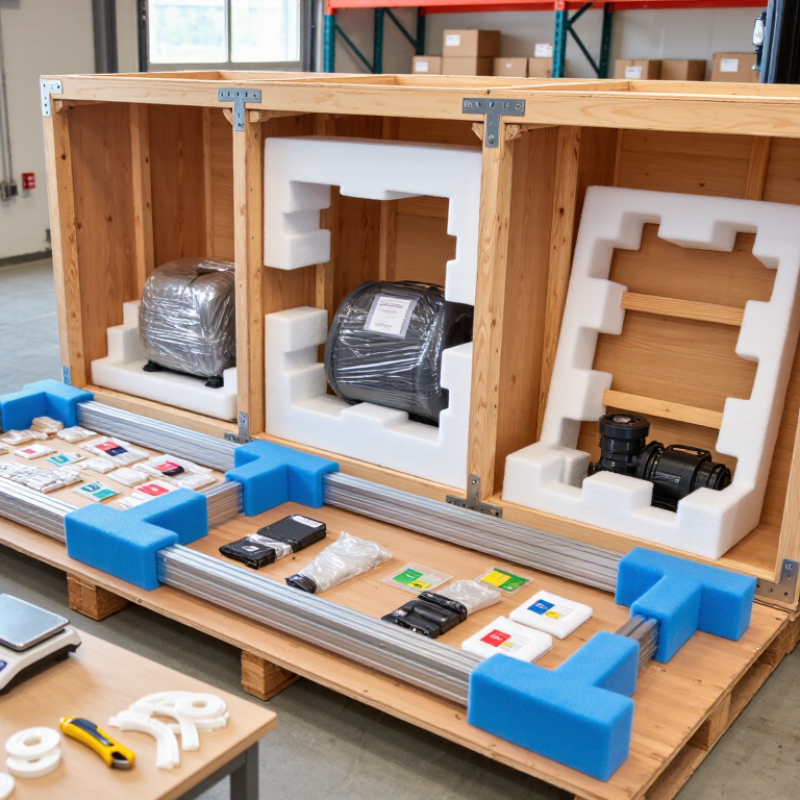
How to Package Equipment for Safe Shipping?

Assess the Equipment and Identify Shipping Risks

Before selecting packaging, inspect the equipment as it will actually travel. Note its weight, dimensions, center of gravity, and any marked lifting points. Look for exposed cables, fragile gauges, protruding handles, or parts that can shift when tilted. Photograph existing dents and record the unit’s condition. Small details matter. A loose access panel may seem harmless in a workshop but can catch on packing material or bend during handling.

Identify likely hazards along the route, not just inside the crate. Forklift contact, repeated vibration, sudden stops, moisture, and temperature changes can each affect equipment differently. Ask how the unit will be loaded, stored, and unloaded, and whether it may be stacked. Secure movable components and protect sensitive surfaces, but do not block vents or tie-down points. Check manufacturer handling instructions when available. Record the baseline. A checklist can still miss something; one awkward cable or an uneven base may only become obvious during a hands-on inspection. When uncertainty remains, pause and have a qualified technician assess the equipment before packing begins.

Choose Packaging Materials and Prepare the Equipment

Before selecting packaging, prepare the equipment for its actual shipping configuration. Photograph the machine, record its weight and dimensions, and secure loose cables, handles, and moving parts. Drain fluids when appropriate, protect exposed connectors with fitted caps, and cover sharp edges. Keep the equipment dry and clean; trapped moisture beneath a wrap can cause corrosion. A small oversight here can undo careful packing.

Choose materials to match the equipment’s weight, fragility, and route. Use a rigid crate or reinforced carton, then immobilize the equipment with foam blocks or bracing at strong structural points. Avoid placing pressure on screens, control knobs, or projecting shafts. The U.S. EPA’s 2018 Facts and Figures report estimates that containers and packaging made up 28.1% of U.S. municipal solid waste. Right-sized packaging can reduce excess material, but protection comes first. For parcel shipments, ISTA Procedure 3A provides a recognized test approach for evaluating packaged products under simulated distribution hazards.

Tips: Leave no room for shifting. Test the packed unit with a cautious tilt and gentle push; if it moves, add support. Mark the crate’s lifting points and center of gravity. Foam is useful, but it is not always the answer—check that the chosen material will not crush under the load.

Protect Vulnerable Parts and Immobilize Moving Components

Shipping damage often begins with a small movement. A shaft shifts a few millimeters, then strikes its housing during repeated vibration. Protect exposed shafts, gauges, connectors, and machined surfaces with rigid guards and cushioning that cannot rub against them. Seal ports against dust, and cover sharp edges that could cut through wrap. A tidy crate can still hide a loose part.

Immobilize moving assemblies with manufacturer-approved transit locks, braces, or fitted blocking. Secure these to the equipment frame, not to fragile panels. Restrain accessories separately, and keep fasteners in a labeled pouch fixed inside the crate. The World Shipping Council’s 2024 report recorded 221 containers lost at sea in 2023. That figure does not measure equipment damage, but it reinforces the need to prevent loads from shifting. Check the packed unit by gently testing for movement; do not use force that could damage sensitive components. Photograph vulnerable areas before closing the crate. Foam can feel reassuring, but excessive pressure may bend a guard or distort a delicate fitting. I would recheck those contact points after the first packing trial.

Secure the Equipment Inside a Crate or Shipping Container

Before loading equipment, inspect the crate or shipping container for cracked boards, loose fasteners, and damp surfaces. Position the equipment on a level base, with its weight spread across strong support points. Keep the center of gravity low. It can shift. Leave enough clearance around delicate controls, cables, and exposed fittings so packing material does not press against them.

Secure the equipment to the crate’s structural supports using rated straps or bolted brackets suited to its weight. Add blocking at the base to resist forward, backward, and sideways movement. Straps should hold firmly without crushing panels or deforming the frame. Tighten them, then try to move the equipment by hand. That matters. A quick visual check may miss slack hidden behind a skid or machine foot.

Fill open spaces with dense cushioning or fitted blocking, not loose scraps that can settle during transit. If the equipment has moving parts, lock them in place according to its handling instructions. Protect metal surfaces from moisture with a suitable barrier, while avoiding trapped condensation. Photograph the secured load before closing the crate. I would still recheck the restraints after the first short move; vibration can loosen a setup that looked solid indoors.

How to Package Equipment for Safe Shipping? - Secure the Equipment Inside a Crate or Shipping Container

Packaging Area Recommended Practice What to Check Before Dispatch
Equipment preparation Follow the equipment manufacturer’s instructions. Drain or secure fluids where required, protect exposed openings, and immobilize moving parts using suitable restraints. Confirm the equipment is clean, dry, switched off, and prepared for transport. Record its condition before packing.
Crate or container selection Choose a crate or shipping container with sufficient internal clearance and a load capacity suitable for the packed equipment. Check that the floor, walls, and access points are in sound condition. Verify the packed load’s dimensions and total weight against the crate or container specifications and the carrier’s requirements.
Base support Place the equipment on a stable base designed to distribute its weight. Use a pallet or reinforced crate floor when appropriate, and keep the load within the base’s supported area. Check for an even, stable bearing surface and ensure the base does not flex, split, or obstruct handling equipment.
Blocking and bracing Use fitted blocks, braces, or supports to prevent the equipment from shifting. Restrain it in multiple directions, and avoid placing pressure on delicate panels, pipes, controls, or other vulnerable parts. Check for movement in all directions. Supports should contact strong structural points and remain firmly secured.
Straps and tie-downs Use appropriate, undamaged restraints and secure them to suitable anchor points. Apply enough tension to prevent movement without crushing, bending, or otherwise damaging the equipment. Confirm that restraints are correctly positioned, protected from sharp edges, and compatible with the load and anchorage points.
Protective cushioning Use cushioning where needed to reduce shock and vibration. Keep cushioning materials from interfering with braces, restraints, ventilation requirements, or equipment components. Check that the equipment cannot contact the crate walls during normal handling and transport.
Moisture and corrosion protection For equipment sensitive to moisture, use suitable protective wrapping or a moisture-control method appropriate to the shipment conditions. Keep packaging materials compatible with the equipment. Ensure the equipment is dry before sealing and that moisture protection is intact. Follow any product-specific storage or packaging instructions.
Weight distribution Position the load to maintain a stable center of gravity and distribute weight according to the crate or container design. Secure loose accessories separately so they cannot shift. Check that the crate or container sits level and that the load is stable during lifting and handling.
Closure and handling marks Close and fasten the crate or container using suitable hardware. Mark the package with accurate gross weight, dimensions, lifting points, and handling instructions where applicable. Inspect closures and fasteners. Make sure required labels are visible and do not imply handling requirements that are not applicable.
Final inspection Complete a documented inspection before dispatch. Photograph the secured equipment and the closed package for shipment records. Confirm there are no loose items, damaged restraints, protruding fasteners, or signs that the load can move inside the package.
Packaging requirements vary by equipment, route, handling method, and carrier. Follow applicable regulations, carrier instructions, and equipment-specific guidance.

Inspect the Package and Apply Handling Labels and Documents

Before equipment leaves the workshop, inspect the package as if it has already traveled a rough road. Check every seam, corner, and fastening point. Press gently on the panels; they should not flex against the equipment. Look for gaps where dust or moisture could enter. Confirm that internal braces hold the machine firmly, with no movement when the crate is carefully tilted. A small shift can become a costly impact. I have found that rushed checks often miss loose screws near the base.

Tips: Use a flashlight to inspect dark corners. Photograph the closed package from several sides. Place handling labels where they remain visible after strapping, and keep arrows upright. Labels should be clean, firmly attached, and consistent with the package’s actual orientation. Don’t cover them with tape.

Prepare the shipping documents with the same care. Match the equipment description, package count, and shipment details across the paperwork. Include clear handling instructions when the carrier needs them, and protect documents in a sealed pouch attached to the outside. Keep a copy with the shipping records. Recheck the pouch after loading; it can catch on a strap or peel away. Even careful teams overlook this. A final walk-around takes little time, but it can reveal a label facing the wall or a document pouch left behind.

Equipment Shipping: Final Inspection Checklist

This chart groups example checks by preparation stage. Confirm the package is secure, handling marks are clear and appropriate, and shipment documents are complete. Document requirements vary by cargo, destination, and transport method.

FAQS

What should I inspect before packing equipment?

Check its weight, dimensions, center of gravity, and marked lifting points. Look for loose panels, exposed cables, fragile gauges, and protruding handles. Small details matter.

Why should I photograph the equipment before shipping?

Photos record its condition, including existing dents and scratches. They also help compare the equipment after transit. A checklist alone may miss something.

Which shipping risks should I consider?

Consider forklift contact, vibration, sudden stops, moisture, and temperature changes. Ask how the equipment will be loaded, stored, unloaded, and whether it may be stacked.

How can I prepare the crate or container?

Check for cracked boards, loose fasteners, and damp surfaces. Use a level base and spread the equipment’s weight across strong support points.

How should I restrain equipment inside a crate?

Use rated straps or bolted brackets attached to structural supports. Add blocking at the base to limit movement in every direction. Keep straps snug, not crushing.

How can I protect delicate parts?

Leave clearance around controls, cables, and fittings. Use dense cushioning or fitted blocking in open spaces. Avoid pressing packing material against sensitive parts.

What should I do with moving components and metal surfaces?

Lock moving parts according to handling instructions. Use a suitable moisture barrier for metal, but avoid trapping condensation. Vents and tie-down points must remain clear.

How can I check that the load is secure?

Tighten the restraints, then try moving the equipment by hand. Photograph the secured load before closing the crate. Recheck after a short move; vibration can loosen restraints. I would not rely on appearance alone.

Conclusion

To Package Equipment safely, begin by evaluating its size, weight, shape, fragility, and operating features. Identify risks such as impact, vibration, moisture, dust, or parts shifting during transit, then select packaging materials that suit the equipment and its journey. Before packing, clean and prepare the item, remove loose accessories when practical, and protect delicate surfaces with cushioning or barriers.

Pay special attention to exposed controls, connections, and other vulnerable parts. Secure moving components so they cannot shift, and use suitable padding to prevent contact with the crate or container walls. Position the equipment securely, fill empty spaces with cushioning, and fasten it in place to limit movement. Before shipping, inspect the package for stability, damage, and secure closures. Add clear handling labels and include the necessary shipping documents so handlers can identify and manage the package appropriately.


Sophia

Sophia

Sophia is a dedicated marketing professional with an exceptional depth of knowledge about her company's products and services. With a keen understanding of market trends and customer needs, she crafts insightful blog posts that not only inform but also engage readers, enriching the company’s online......