In the realm of packaging, "Machine Strapping" plays a crucial role in enhancing efficiency and safety. According to John Anderson, a respected expert in strapping technology, “The right strapping solution can significantly reduce waste and improve productivity.” His insights reflect the importance of selecting the optimal equipment for your specific needs.
Effective machine strapping not only streamlines the packaging process but also ensures that goods are securely bundled. This minimizes damage during transit. However, many companies overlook vital aspects that could enhance their strapping procedures. Common pitfalls include choosing inadequate materials and ignoring machine maintenance schedules. These mistakes can lead to increased costs and inefficiencies.
There is always room for improvement. Evaluating existing practices often reveals gaps that can affect overall performance. Investing time to refine machine strapping techniques can yield significant benefits. By focusing on innovative practices, businesses can boost their packaging efficiency while ensuring product integrity.
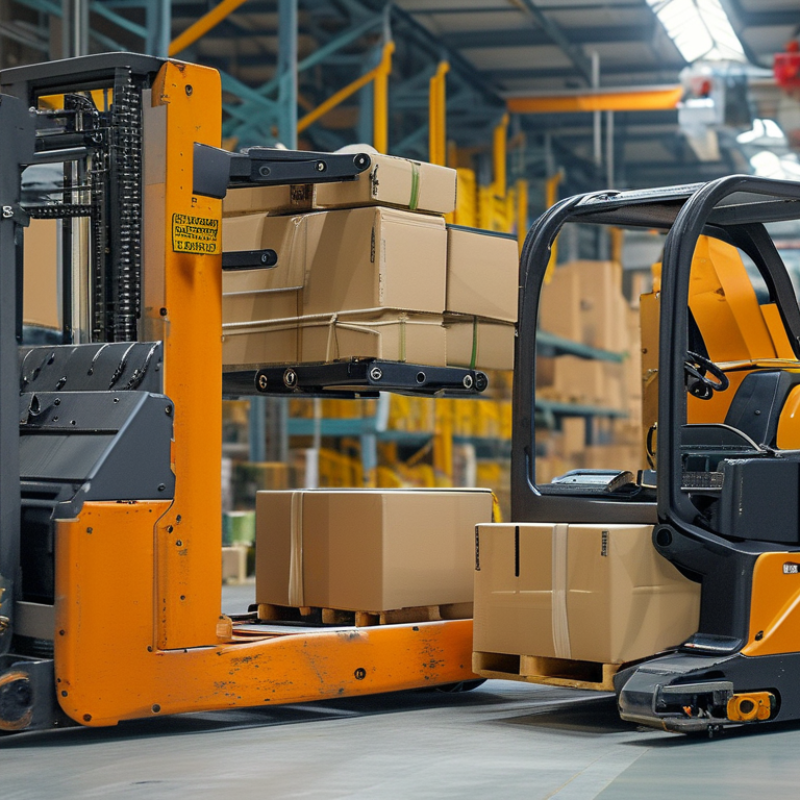
Machine strapping is a crucial process in packaging that increases efficiency. Understanding its basics can enhance your workflow. Strapping involves securing packages with a band, usually made of plastic or metal. This technique ensures stability during transport. It prevents damage and minimizes the risk of contents spilling or shifting.
The benefits of machine strapping are significant. It reduces manual labor, saving time and cost. Automated machines consistently apply the right tension, enhancing package integrity. However, not all strapping machines are the same. Some may struggle with specific materials or sizes. Experimenting with different machines can unveil unexpected challenges. Additionally, maintenance is key. Regular checks ensure machines function optimally, reducing downtime.
Effective machine strapping also requires proper training. Workers must understand how to operate the equipment safely. They should recognize common issues and know how to address them. Inadequate knowledge can lead to mistakes that affect productivity. Continuous learning and adaptation are vital. Embracing new techniques and technology can further streamline processes.
Strapping machines play a crucial role in modern packaging operations. They ensure products are securely bundled for shipment. Different types of strapping machines cater to diverse needs. Automatic machines, for example, provide high efficiency for large-scale operations. A data report from Packaging Strategies indicates that companies using automatic strapping can boost productivity by 30%. This is vital for meeting growing demands in e-commerce.
Semi-automatic machines offer flexibility. They require manual input but still enhance speed compared to manual strapping. These machines excel in environments where varied package sizes are common. According to the Association for Packaging and Processing Technologies, about 45% of businesses prefer semi-automatic strapping to maintain efficiency without full automation costs. Each type has its place, and understanding these applications is critical for optimizing packaging lines.
Moreover, there are challenges. Selecting the wrong machine can lead to increased downtime or product damage. Operators must be trained adequately to leverage the equipment fully. A report by the International Journal of Advanced Manufacturing Technology found that 20% of strapping machine failures stem from user errors. This highlights the importance of not just choosing the right machine but also investing in training and maintenance.
When optimizing strapping efficiency, several key factors come into play. One important aspect is to choose the right strapping machine for your operation. An appropriately sized machine can significantly improve workflow. Pay attention to the speed and tension settings of the machine. Adjust them based on the materials you are strapping. If the settings are incorrect, it may lead to wasted materials or compromised package security.
Another crucial tip is to ensure proper material handling. Organize your work area to minimize movement and streamline the strapping process. Train your staff on the best practices for loading and positioning packages. This can reduce the risk of errors and make the work more efficient. Sometimes, small changes in the layout can lead to noticeable improvements.
Monitoring the strapping process is essential for continuous improvement. Regularly check for issues such as misfeeds or over-tightening. Keeping a log of frequent problems can help identify trends and inform solutions. Consider involving your team in problem-solving discussions. They may provide insights that could enhance efficiency. Nonetheless, this requires attentive management and open communication to foster an adaptable work environment.
Strapping mistakes can hinder packaging efficiency significantly. One common error is not adjusting the strapping tension properly. Too loose, and packages become unstable, leading to damage. Too tight, and the products inside can be crushed. Finding the right balance is crucial for maintaining package integrity.
Another frequent oversight involves using the wrong type of strapping material. Not all materials are suitable for every application. For example, plastic straps might not hold heavy loads as securely as steel ones. Understanding the specific requirements of your products will guide you in selecting the most efficient strapping solution.
Lastly, neglecting to train staff on proper strapping techniques can lead to inefficiencies. Inadequate training results in inconsistent strapping and wasted time. Observing employees while they strap packages can provide insights into areas for improvement. Effective training ensures a faster, more reliable packaging process. Addressing these common mistakes can greatly enhance packaging efficiency.
Maintaining strapping equipment is essential for packaging efficiency. Regular cleaning is crucial. Dust and debris can accumulate, leading to malfunctions. A simple wipe-down can prevent bigger issues. Inspect the machine frequently for wear and tear. Look for frayed straps or damaged components. Schedule maintenance checks every few months, especially in high-usage environments.
Proper lubrication is often overlooked. A well-lubricated machine operates smoothly and extends its lifespan. Use the recommended lubricants for your device. Always refer to the manufacturer's guidelines. Training staff on correct operation is vital. Misuse can lead to equipment failure. Encourage them to report any irregular sounds or issues immediately.
Updating your equipment can be costly, but it may be necessary. Old machines may not handle new materials effectively. Invest in training for staff to ensure they use the equipment properly. Reflection on processes is necessary. Regular evaluations can reveal areas for improvement in maintenance practices. Staying proactive can save time and reduce costs in the long run.
: Machine strapping is a packaging method that secures packages with a band. It can be plastic or metal.
It reduces manual labor and saves time. Automation also enhances package stability during transport.
Select a machine that fits your operation's size and needs. Experimenting can help find the best fit.
Proper training helps operators avoid mistakes. Inadequate knowledge can lead to reduced productivity and increased errors.
Some machines may struggle with specific materials. User errors often cause failures and could increase downtime.
Choose the right machine and set the correct speed and tension. Proper organization can also improve workflow.
Watch for issues like misfeeds and over-tightening. Keeping a log of problems helps identify areas for improvement.
Yes, even minor adjustments in layout can lead to significant improvements in the strapping process.
Regular maintenance is crucial. It ensures machines operate optimally and reduces unexpected downtimes.
It encourages team discussion about problems. Involvement can lead to innovative solutions for efficiency improvements.
Machine strapping is a crucial process that enhances packaging efficiency by securely bundling products for shipment. By understanding the basics and benefits of machine strapping, companies can leverage different types of strapping machines suited for various applications, ensuring optimal performance. Key tips for optimizing strapping efficiency include selecting the right materials, adjusting tension settings, and maintaining proper alignment during the strapping process.
Avoiding common strapping mistakes, such as incorrect tension and misalignment, can significantly improve the packaging outcome. Additionally, implementing regular maintenance practices ensures that strapping equipment remains durable and functional over time, reducing downtime and operational costs. Mastering these aspects of machine strapping can lead to increased productivity and enhanced shipping processes for businesses.