A Packing Tape Roll is a practical packaging material used to close, protect, and organize cartons. It usually consists of pressure-sensitive adhesive tape wound around a cardboard core. Common versions include clear, brown, reinforced, and printed tape. Each type serves a slightly different purpose.
When applied with firm, even pressure, the adhesive bonds with the carton surface and helps keep the flaps closed. A tape dispenser can improve speed, cutting accuracy, and hand comfort during repeated packing. For a small household box, one continuous strip across the center seam may be enough. Heavier cartons often need additional strips along the edges and across the bottom. Not every box needs the same method.
Surface condition matters. Dust, grease, moisture, and crushed cardboard can weaken the seal. A clean, dry carton usually gives better results. Temperature also affects adhesion, especially in unheated storage areas. Many packing professionals check the tape width, thickness, and adhesive strength before selecting a product. Cheap tape can look suitable but may split during handling.
The process is simple, but not foolproof. Even experienced packers sometimes apply tape too loosely or cover a damaged seam without repairing it. A Packing Tape Roll should support a sound carton, not replace one. This article explains its structure, common uses, application methods, storage needs, and practical selection factors. It also considers mistakes worth noticing, because reliable packing often depends on small details.
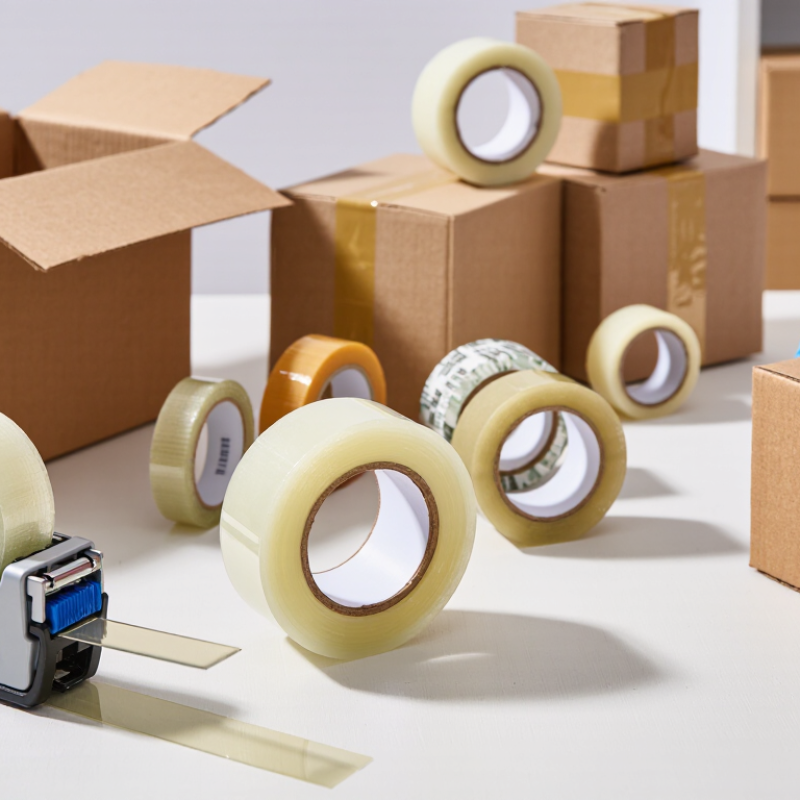
A packing tape roll is a continuous strip of pressure-sensitive adhesive wound around a cardboard core. It usually combines a plastic film backing with an adhesive layer. The film provides tear resistance, while the adhesive grips cartons, paper, and smooth surfaces. Width, thickness, and adhesive strength vary by application. A standard shipping roll may feel light, but its performance depends on more than appearance. It is a practical packaging material, not merely a clear strip.
When sealing a carton, pull the tape across the center seam and press it firmly onto both flaps. For a stronger closure, extend it several centimeters down each side. Clean, dry cardboard provides better contact than dusty or damp cardboard. A hand dispenser helps maintain tension and cuts the tape neatly. For heavier boxes, reinforced or wider tape may be more suitable. Test it first. Cold storage, rough surfaces, and long-distance shipping can reduce adhesion.
In daily packing work, small mistakes are common. I have seen tape applied over a folded flap, leaving a weak corner. Too little pressure can also create hidden lifting. That detail is easy to miss. A packing tape roll should match the carton’s weight, surface, and shipping conditions. One specification cannot fit every box. Product data helps, but a simple trial is still worth doing.
A packing tape roll is a pressure-sensitive adhesive tape wound around a core for sealing cartons and packages. Common packing tape widths are approximately 48 mm, while roll lengths often range from 50 m to 100 m. Longer rolls provide more sealing applications before replacement.
A packing tape roll has four working parts: backing, adhesive, release coating, and core. The backing is usually biaxially oriented polypropylene film, paper, or recycled plastic. BOPP offers clean edges and steady tensile strength. Paper feels less glossy and tears more easily by hand. The core is commonly wound paperboard, often 76 millimeters across for hand dispensers. A thin release layer keeps the adhesive from bonding to the previous wrap. Small detail, but essential.
The adhesive is the roll’s active surface. Hot-melt adhesive bonds quickly and performs well on ordinary corrugated cartons. Acrylic adhesive usually handles heat, sunlight, and aging better. Solvent-based systems can provide strong adhesion, but their processing demands closer environmental control. On a packing bench, pressure matters. A smooth carton flap, firm contact, and a short overlap reduce lifting. The tape can look strong yet fail on dusty fiber.
Market figures show why these materials matter. Grand View Research forecasts the global adhesive tapes market to grow at more than 5% annually through 2030. Smithers expects worldwide packaging demand to exceed US$1.3 trillion by 2028. These figures include many tape applications, not only carton sealing. ASTM D5486 also defines performance requirements for pressure-sensitive packaging tape. Still, no construction is perfect. Recycled content may improve resource efficiency, but it can change stiffness, clarity, or adhesive contact. A thicker roll is not automatically better.
Packing tape is a flexible strip with a strong backing and a pressure-sensitive adhesive layer.
It seals cartons without water, heat, or special tools. How does packing tape work? Its adhesive contains tacky compounds that flow slightly into tiny surface irregularities. Pressing the tape increases contact between the adhesive and cardboard fibers. The bond becomes stronger as trapped air escapes.
In practical packing, the carton flaps should meet evenly before sealing. Dust, oil, and moisture can weaken the bond.
A clean, dry surface works best.
Pull the tape with steady tension, then press it firmly along the center seam. Use a short overlap at both ends. This helps prevent lifting during handling.
For heavier boxes, seal the top and bottom seams, then reinforce the edges when needed.
Temperature also affects performance. Cold adhesive becomes less flexible and may not grip rough cardboard immediately. Excessive heat can soften the adhesive and leave residue.
I have found that rushed sealing often creates hidden gaps under the tape. The box may look closed, yet the flaps can separate under pressure. That small mistake deserves attention.
Tape also cannot repair a crushed carton or replace suitable cushioning. Select a width and strength that match the box size, contents, and expected movement. A smooth application is more reliable than simply adding more layers.
A packing tape roll is a pressure-sensitive adhesive wound around a core. It usually seals corrugated cartons, mailers, and small shipping boxes. The tape bonds when pressed, so heat is normally unnecessary. The Pitney Bowes Parcel Shipping Index 2023 recorded 161.8 billion parcels worldwide in 2022. That volume makes consistent carton sealing more than a minor warehouse task.
For sealing, center the tape over the box’s main seam. Pull it across the top with steady tension. Press the first section onto one panel, cross the seam, and extend the tape several centimeters onto the opposite panel. A handheld dispenser can cut cleaner edges and apply useful pressure. Do not stretch the tape excessively. It may lift later, especially on dusty, cold, or recycled cardboard. For heavier cartons, seal the center seam and reinforce both edge seams when needed. The International Safe Transit Association’s 3A procedure evaluates packaged products through handling and vibration simulations, showing why closure quality matters during transport.
Keep surfaces dry and reasonably clean. Check that flaps meet without gaps. I have seen operators blame weak tape when the carton surface was damp. That judgment is not always fair. Adhesive performance also depends on load weight, carton fiber, storage temperature, and application pressure. ASTM D5486/D5486M provides requirements for pressure-sensitive carton-sealing tape, but a standard cannot replace a practical trial. Test filled cartons before changing the tape width, application speed, or sealing pattern. Small adjustments often prevent costly reopening.
A packing tape roll is a pressure-sensitive adhesive tape wound around a core. It seals cartons, joins protective wrapping, and keeps labels secure during transport. Its performance depends on more than adhesive strength. Storage conditions and handling habits matter just as much.
Keep tape rolls in a cool, dry room away from direct sunlight. A stable temperature helps prevent the adhesive from becoming too soft or brittle. Store rolls upright or flat, but avoid placing heavy boxes on them. Dust, moisture, and crushed edges can reduce smooth unwinding. Keep each roll in its original protective packaging until needed. Use older stock first, although this simple rule is often forgotten.
During use, handle rolls with clean, dry hands. Dirt can transfer onto the adhesive and create weak spots. Pull the tape steadily instead of yanking it sharply. Excessive tension may stretch the film and cause lifting at the carton seam. Press the tape firmly across dusty or textured cardboard, but do not expect perfect bonding on wet surfaces. A blunt or damaged cutting edge can tear the tape unevenly. Replace it when needed.
I have seen teams blame the tape when poor storage caused the real problem. Even careful storage is not foolproof, so inspect the roll before sealing valuable cartons. Look for curled edges, unusual odor, discoloration, or a loose winding pattern.
It is a pressure-sensitive adhesive strip wound around a cardboard core. It usually has plastic film backing and an adhesive layer. It is more than a clear strip.
Common backings include plastic film, paper, and recycled plastic. Plastic film resists tearing and keeps steady tension. Paper looks less glossy and tears more easily by hand. The choice affects handling.
Most rolls contain backing, adhesive, release coating, and a paperboard core. The release coating prevents the adhesive from sticking permanently to the previous layer. Hand-dispenser rolls often use a core about 76 millimeters wide. That small detail matters.
Pull the tape across the center seam and press it onto both flaps. Extend it several centimeters down each side for a stronger closure. Keep the cardboard clean and dry. Press firmly.
Dust, moisture, cold storage, rough fibers, and long shipping periods can weaken contact. A folded flap may also create a hidden weak corner. Too little pressure can leave edges lifting later. That failure is easy to miss.
No. Thickness alone does not guarantee stronger sealing. The carton weight, surface, adhesive type, and shipping conditions also matter. A thinner roll may work well on a light, clean box. Not always.
Hot-melt adhesive bonds quickly on ordinary corrugated cartons. Acrylic adhesive generally handles heat, sunlight, and aging better. Other adhesive systems may provide strong contact but require tighter process control. No option fits every carton.
Match the tape with the box weight, surface texture, storage temperature, and transport distance. Wider or reinforced tape may suit heavier cartons. Check the product data, then test one sealed box. The test may reveal an uncomfortable mistake.
A Packing Tape Roll is a continuous strip of pressure-sensitive adhesive tape wound around a cylindrical core. It is commonly used to close cartons, shipping boxes, storage containers, and other packages. The roll usually consists of a backing material, such as polypropylene or paper, coated with an adhesive layer that provides reliable bonding. Its structure allows the tape to unwind smoothly while remaining easy to cut or tear when needed.
Packing tape works when pressure activates the adhesive and creates contact between the tape and the package surface. To seal a package, center the tape over the opening, press it firmly along the seam, and extend it slightly over the edges for added security. For best performance, Packing Tape Roll should be stored in a cool, dry place away from direct sunlight, excessive heat, dust, and moisture. Keep rolls in their original packaging when possible, and avoid crushing or exposing them to sharp objects. Proper handling helps maintain adhesion, flexibility, and long-term usability.