Choosing reliable Tape Gun And Tape suppliers requires more than comparing catalog prices. Global buyers must examine dispenser strength, tape adhesion, roll compatibility, operator safety, and delivery consistency. A sturdy metal tape gun should cut cleanly, hold the roll firmly, and remain comfortable during repeated carton sealing. The tape itself must match the package surface, shipping temperature, and expected handling conditions. Small details matter.
Walter Soroka, author of Fundamentals of Packaging Technology, describes packaging as “the art, science, and technology of enclosing and protecting products.” This principle applies directly to tape and dispensers. A low-cost tool can increase labor fatigue, damaged cartons, and inconsistent seals. A premium tape roll may still fail when applied to dusty, cold, or uneven surfaces. Buyers should request technical data, sample testing, production references, and clear warranty terms before placing large orders.
This guide reviews top Tape Gun And Tape suppliers for global buyers, including manufacturers, industrial distributors, and specialized packaging partners. It considers product quality, customization, minimum order quantities, export experience, and after-sales support. Supplier rankings are never permanent. Market conditions change. Some evaluations may also miss regional service differences, so buyers should verify current certifications and delivery records independently. A practical test remains valuable: seal several cartons, store them overnight, and inspect the edges by hand. That simple step can reveal problems that a polished product page does not show.
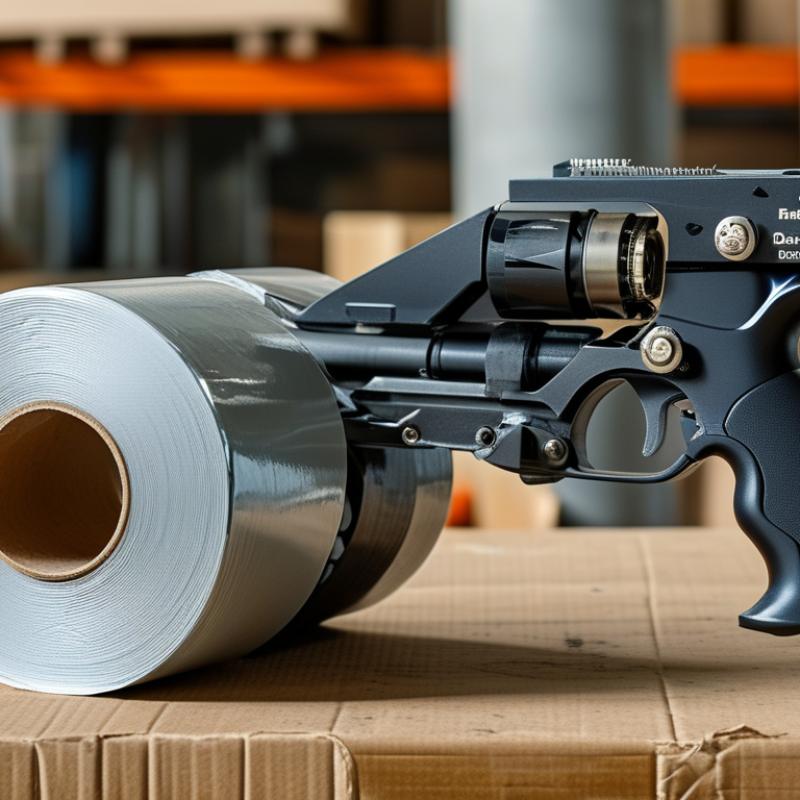
Tape guns vary by structure, tape type, and packing speed. The standard handheld carton-sealing gun suits warehouses, moving services, and online order fulfillment. It combines a roll holder, cutting blade, tension control, and pressure roller. Operators can seal medium-sized cartons quickly, even on uneven surfaces. Fit matters. A handle that feels secure reduces wrist strain during repeated use.
Water-activated tape dispensers apply moisture to reinforced paper tape. They work well for corrugated cartons requiring tamper-evident seals and stronger box closure. These dispensers are useful in export packing, appliance shipping, and heavier parcels. However, moisture settings need regular checking. Too much water weakens the adhesive bond, while too little leaves dry edges. I have seen rushed teams blame the tape when the dispenser was poorly adjusted.
Filament or strapping tape guns are designed for bundling pipes, cables, wood pieces, and irregular loads. Their cutting systems must handle stronger tape without damaging the operator’s fingers. Compact desktop dispensers fit offices, sample rooms, and light assembly work. Cold-storage facilities may need tools that remain functional with chilled surfaces and gloves. Buyers should compare tape width, core size, blade protection, spare parts, and cleaning access. The cheapest tool can become expensive when its tension wheel slips or its blade dulls early. Small details matter. Testing a sample carton before bulk purchasing is still the more reliable approach.
Professional tape guns deserve a closer comparison than price alone. Smithers’ The Future of Packaging: 2028 projects the global packaging market will exceed $1.2 trillion by 2028. That growth raises demand for tools that survive repeated carton sealing. Start with frame material, gear strength, and blade protection. A steel frame feels heavier, but it often resists twisting under tension. A guarded blade reduces accidental contact during rapid packing. Small details matter.
Check tape compatibility carefully. Professional models should support common widths, adjustable tension, and smooth roll changes. A controllable tension system prevents crushed boxes and loose seals. The European Carton Makers Association reports that corrugated packaging remains central to transport and e-commerce supply chains. That makes consistent sealing important across warehouses, not only retail counters. Test the gun with actual tape, not a sample strip. Adhesive behavior changes with temperature, dust, and storage time.
Ergonomics also deserves measurable attention. The U.S. Bureau of Labor Statistics continues to identify repetitive motion and forceful hand use as workplace risk factors. Look for a balanced handle, low trigger resistance, and a comfortable grip surface. Use it for ten minutes. Notice wrist pressure. A lighter tool is not always better; poor balance can fatigue the hand faster. Noise, spare blades, repair access, and operator training should enter the purchasing checklist. I would also record failure rates during a pilot run, because brochure claims rarely reveal performance after thousands of cartons.
When evaluating tape gun suppliers for global purchasing, begin with the tool’s actual working conditions. Check frame material, cutter hardness, grip shape, tape width range, and core compatibility. A sample tells more than a polished catalog. Load it with your planned carton tape, then run repeated sealing cycles. Listen for blade wobble. Feel whether the brake slips. Small defects become expensive when operators repeat the same motion all day.
Supplier reliability depends on evidence, not confident promises. Request production photos, inspection records, material specifications, and batch traceability. Ask how they handle damaged units, replacement parts, and urgent quality complaints. For overseas orders, compare minimum order quantities, lead times, carton dimensions, and shipping terms together. A low unit price may hide weak packaging or costly delays. I have seen purchasing teams overlook spare blades. That mistake can stop a packing line.
Communication deserves a practical test. Send the same technical questions to several suppliers and compare the clarity of their replies. Strong teams confirm tolerances, testing methods, and delivery dates in writing. They also explain what they cannot guarantee. That honesty matters. Still, no evaluation is perfect. A factory audit may show one good production day, not every shipment. Use a trial order, record failure rates, and review performance after delivery. Keep the scorecard simple, but update it when facts change.
International purchasing requires more than a low tape price. A supplier should provide tape guns and packaging tape tested for temperature, humidity, tensile strength, and adhesion. ASTM D5486 helps assess pressure-sensitive packaging tape, while ISO 9001 supports consistent production controls. These references do not replace shipment testing. They create a dependable starting point.
The global packaging market is projected to approach US$1.2 trillion by 2028, according to Smithers’ The Future of Global Packaging to 2028. That scale increases pressure on suppliers to deliver stable specifications across borders. Export-ready suppliers should provide technical data sheets, batch numbers, carton dimensions, pallet plans, and clear country-of-origin documents. Small details matter. A crushed carton can disable several tape guns before unloading.
Packaging design also affects freight cost. The World Bank’s 2023 Logistics Performance Index highlights customs efficiency, infrastructure, and shipment timeliness as major logistics factors. Buyers should request drop-test records and moisture-resistant outer cartons, especially for ocean freight. Tape guns need protected triggers and spare cutting blades packed separately.
I have seen specifications look excellent, yet the handle cracked after a cold-weather delivery. That mistake was preventable. A supplier’s inspection report should include sampling methods, acceptance limits, and corrective-action records. Even then, buyers should test a pre-production sample under actual warehouse conditions. Supplier claims are useful, but evidence is better.
For global buyers, tape-gun pricing depends on body material, blade design, carton compatibility, and packing volume. Basic plastic models often cost about US$1.50–3.50 each, while reinforced tools may reach US$5–12. According to Grand View Research, the global pressure-sensitive tapes market was valued at approximately US$63.5 billion in 2023. This growth supports wider supplier choice, but not every low-cost quotation offers consistent quality.
Minimum orders commonly range from 500 to 3,000 units for standard tape guns. Custom colors, logos, or packaging can raise requirements beyond 5,000 units. Ask for a sample before approving production. Check handle strength, blade protection, tape-width tolerance, and smooth cutting under repeated use. Small details matter. Freight, inspection, duties, and replacement rates should be included in the landed-cost calculation. A cheaper unit can become expensive after delivery losses.
Supplier qualification should include ISO 9001 evidence, material declarations, factory photographs, and recent inspection records. Request cycle-test results, dimensional data, and traceability for each batch. ASTM D1000 is useful for tape-performance testing, but it does not fully evaluate the dispenser itself. A supplier’s response speed also reveals operational discipline. However, polished documents can hide weak production controls. Independent pre-shipment inspection remains sensible, especially for first orders. The 2024 Packaging Machinery Manufacturers Institute outlook also highlights automation and labor efficiency as continuing purchasing drivers, so ergonomic design deserves a measurable productivity review.
Compare steel and reinforced plastic frames. Steel usually resists twisting during tight carton sealing. It also feels heavier. Check gear strength and cutting stability during repeated use.
A guarded blade reduces accidental contact during fast packing. It also helps protect stored tools and nearby hands. Small detail. Test smooth cutting without exposing the blade unnecessarily.
Check common tape widths, adjustable tension, and quick roll changes. Test the dispenser with actual tape. Adhesive can behave differently in dust, heat, or cold storage.
Hold the tool for ten minutes. Notice wrist pressure, trigger resistance, and grip balance. A lighter model may still cause fatigue if its weight feels poorly distributed.
Run a pilot with real cartons and several tape rolls. Record cutting failures, loose seals, crushed boxes, and operator complaints. Brochure claims may miss long-term weaknesses.
Basic models may cost about US$1.50–3.50 each. Reinforced models may reach US$5–12. Include freight, inspection, duties, and replacement losses. The cheapest quotation can mislead.
Standard orders often range from 500 to 3,000 units. Custom colors or packaging may require more than 5,000 units. Ask for samples first. Confirm this requirement in writing.
Request quality-system evidence, material declarations, factory photographs, and recent inspection records. Ask for cycle-test results and batch traceability. Independent pre-shipment inspection is sensible for a first order.
No. A tape-performance standard can assess tape behavior, but not every dispenser feature. Check dimensions, blade safety, tension control, and handle strength separately. I would avoid relying on one document.
This guide to Tape Gun And Tape suppliers helps global buyers understand the main types of tape guns and their practical applications, from lightweight carton sealing to heavy-duty industrial packaging. It explains how to compare professional models by examining handle comfort, blade safety, frame strength, tape compatibility, tension control, and overall durability. These factors can help buyers select tools that improve packaging efficiency and reduce operational costs.
The article also outlines how to evaluate suppliers for international purchasing, including production capacity, quality control, communication, export experience, and after-sales support. It highlights the importance of suitable packaging, clear product documentation, consistent specifications, and readiness for international shipping. Buyers will also find guidance on comparing pricing, minimum order quantities, payment terms, samples, inspection procedures, and supplier qualification criteria to build reliable and cost-effective sourcing plans.