In today's rapidly evolving market, the role of the Packaging Station has gained significant importance. Experts like Dr. Sarah Chen, an authority in packaging technology, emphasize, “Adaptability in Packaging Stations is essential for meeting global buyer demands.” With increasing consumer expectations, brands must prioritize innovative solutions.
The landscape of packaging is shifting dramatically. Sustainability, efficiency, and customization are now critical. Many companies are transitioning to smarter packaging stations. These stations must integrate advanced technology while ensuring eco-friendly practices. Dr. Chen suggests, "Integrating technology in packaging can reduce waste and improve efficiency."
Yet, navigating these trends is not always straightforward. Brands may struggle with implementation. The balance between innovation and cost-effectiveness can be challenging. As the industry evolves, reflection on existing strategies is crucial for success in this competitive arena. Each Packaging Station presents unique opportunities and challenges that demand attention. Understanding these dynamics is vital for any global buyer.
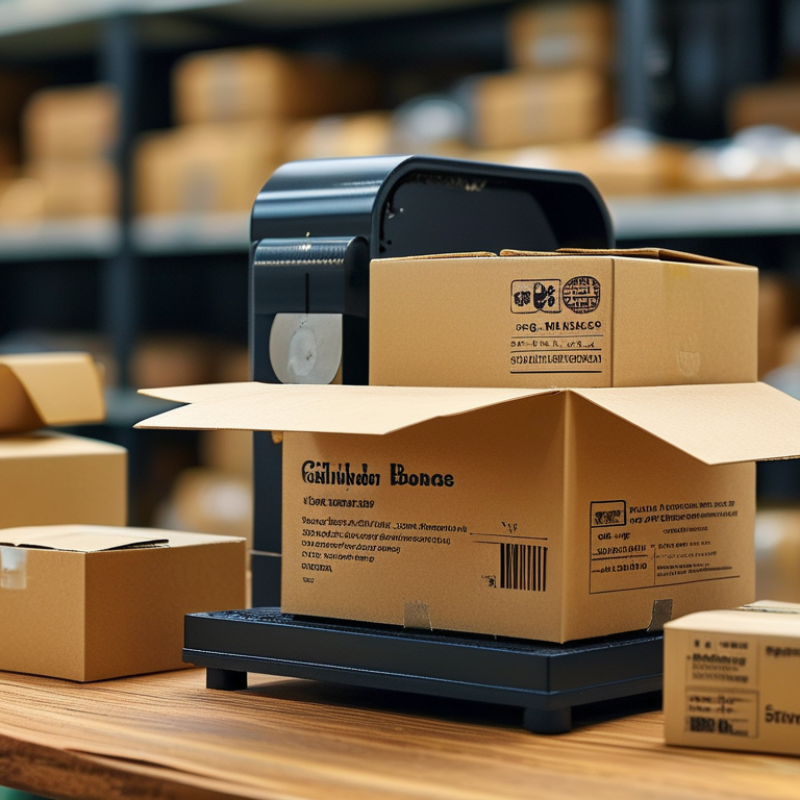
Emerging Technologies Influencing Packaging Stations Design
Emerging technologies are reshaping packaging stations, pushing the boundaries of efficiency and sustainability. Automation is a key driver in this transformation. Smart machinery enhances the speed and accuracy of packaging processes. Sensors and AI-driven systems monitor production lines in real-time, reducing errors and waste. This level of precision requires skilled operators who understand these advanced systems.
Sustainability remains at the forefront of packaging design. Materials that are biodegradable or made from recycled content are gaining popularity. Companies are exploring eco-friendly inks and adhesives to lessen their environmental impact. However, not all innovations have been well received. Some new materials do not perform as expected, leading to issues in shelf life and product safety.
The integration of digital technology into packaging is also noteworthy. Smart packaging with QR codes provides consumers with information about the product. Yet, some consumers may find these features confusing or unnecessary. Balancing innovation with user experience is crucial. The challenge lies in adopting these technologies while ensuring reliability and practicality in everyday use.
Sustainability Practices in Modern Packaging Stations
Modern packaging stations are increasingly prioritizing sustainability. According to a report by Smithers, around 75% of consumers prefer eco-friendly packaging. This trend is significantly influencing how packaging stations operate. Sustainable materials, like recycled paper and biodegradable plastics, are gaining traction. Efficient resource use is not just a preference but a necessity.
Many stations are adopting technology to enhance sustainability. Automation in processes reduces waste and improves efficiency. For example, a recent survey from Packaging Strategies highlighted that companies using smart technology reduced packaging waste by 30%. However, integrating these technologies is challenging. Not all facilities have the resources or knowledge to implement these advancements effectively.
Moreover, there is a growing need for transparency in sourcing materials. Consumers increasingly want information about the environmental impact of their purchases. A recent study indicated that 60% of buyers are willing to pay more for sustainable products. This shift calls for packaging stations to rethink their strategies and embrace a more ethical production model. Despite the progress, the path to truly sustainable packaging remains complex and requires ongoing reflection and improvement.
Top Trends in Packaging Stations for Global Buyers
This chart illustrates the trends in sustainability practices at packaging stations, highlighting the percentage of buyers prioritizing various sustainable features.
Customized Automation Solutions for Efficient Packaging
In the evolving landscape of packaging stations, customized automation solutions are increasingly sought after by global buyers. According to recent market analyses, automated packaging systems can boost efficiency by up to 30%. This data underscores a critical shift towards personalized solutions that cater to unique operational needs. Packaging automation reduces human error, enhances speed, and allows for greater flexibility in production lines.
Efficient automation not only streamlines workflows but also reduces labor costs. A report from the Packaging Machinery Manufacturers Institute indicates that over 70% of manufacturers are investing in automation to stay competitive. However, businesses must reflect on their specific requirements. Not all packaging processes are alike, and a one-size-fits-all approach may lead to inefficiencies. Organizations must assess their product lines and production rates to choose the right technology.
An important consideration is integration. New systems must fit seamlessly with existing machinery. Communication between devices can make or break an automated packaging solution. Embracing tailored technologies does come with challenges, yet the potential rewards in productivity and accuracy are significant. Invest time in understanding your operations; it leads to more strategic decisions about packaging automation.
Top Trends in Packaging Stations for Global Buyers
| Trend |
Description |
Benefit |
Customization Level |
| Automated Packaging Systems |
Integration of machinery to automate the packaging process. |
Increases efficiency and reduces labor costs. |
High |
| Sustainable Packaging Solutions |
Utilization of environmentally friendly materials. |
Enhances brand image and appeals to eco-conscious consumers. |
Medium |
| Smart Packaging Technology |
Integration of IoT and sensors for tracking and data collection. |
Provides real-time data, improving supply chain transparency. |
High |
| Robotics in Packaging |
Use of robotic arms for packing and palletizing. |
Increases throughput and reduces errors in packing. |
High |
| Customizable Packaging Designs |
Ability to create unique packaging designs tailored to products. |
Enhances product differentiation on the shelf. |
Medium |
Trends in Ergonomics and User Experience at Packaging Stations
In recent years, the focus on ergonomics and user experience at packaging stations has intensified significantly. According to a report by the International Ergonomics Association, about 60% of workplace injuries stem from poor ergonomics. This highlights the importance of creating stations that prioritize comfort and safety. By designing workstations that minimize strain, companies can enhance productivity and reduce employee turnover.
Modern packaging stations are increasingly incorporating adjustable features. For instance, height-adjustable tables and easy-to-reach shelving can dramatically improve worker posture. Research indicates that organizations that implement ergonomic designs see a 25% increase in efficiency. Simple changes in layout and equipment can yield substantial returns. However, many still overlook the need for research and development in this area. Investing in ergonomics should be considered essential, not optional.
User experience also plays a vital role in packaging technologies. Systems that are intuitive allow workers to adapt quickly and reduce errors. A study by the Human Factors and Ergonomics Society found that user-friendly designs can decrease task completion times by 30%. Yet, some packaging stations still lack user-centered design principles. This gap must be addressed to fully leverage the potential of ergonomic advancements. Continual evaluation and feedback loops are necessary to enhance these environments sustainably.
Future Innovations Shaping the Packaging Industry Landscape
The packaging industry is witnessing a transformation through innovative technologies. Smart packaging solutions are leading the way. These systems utilize sensors and QR codes to enhance user experience. They provide real-time information about product freshness and provenance. Sustainable materials are also becoming increasingly popular. Brands are investing in biodegradable and recyclable options to meet environmental regulations and consumer preferences.
It's essential to consider the user experience when designing packaging stations. Think about ergonomics and accessibility. The layout should facilitate smooth workflows. Users may find it frustrating if the process is cumbersome. Also, integrating automation can alleviate repetitive tasks. Machines should assist workers, not overwhelm them.
Incorporating eco-friendly practices is crucial for future growth. Buyers should be aware of the shift toward sustainable innovations. This includes using less material while maintaining product protection. Transparency about environmental impact is key. Consumers are more informed today, and they seek brands that prioritize sustainability. Consider engaging with suppliers who share these values. Consistent communication can help bridge gaps and foster long-term partnerships.
Conclusion
The article "Top Trends in Packaging Stations for Global Buyers" explores the latest developments shaping the landscape of packaging stations. Emerging technologies are revolutionizing the design of these stations, enhancing efficiency and precision in packaging processes. A growing emphasis on sustainability practices is leading to innovative materials and eco-friendly operations, addressing environmental concerns that resonate with modern consumers.
Additionally, customized automation solutions are becoming increasingly popular, allowing businesses to tailor their packaging processes to meet specific demands. Trends in ergonomics focus on improving user experience at packaging stations, ensuring that workers can operate efficiently and comfortably. Lastly, the article highlights future innovations poised to further transform the packaging industry, indicating a shift towards smarter and more integrated packaging solutions. Overall, the evolution of packaging stations reflects broader trends in technology, sustainability, and user-centered design.

 Huisu
Huisu