What Is a Packaging Sealer and How Does It Work?

Time:2026-10-18 Author:Isabella
0%

Packaging sealers are the quiet control point in modern packaging lines. They close pouches, bags, trays, and films by combining heat, pressure, and controlled dwell time. Some machines use impulse heat, while continuous band sealers maintain steady production speeds. Ultrasonic systems can seal selected materials with less thermal exposure. The correct choice depends on film structure, product temperature, line speed, and required seal strength.

Industry evidence shows why this equipment matters. PMMI’s 2024 State of the Industry report highlights automation, labor constraints, and flexible production as continuing priorities for packaging manufacturers. These pressures make reliable Packaging Sealers more valuable, especially where operators must manage changing formats. Smithers’ packaging outlook also connects future growth with sustainability, material reduction, and recyclable structures. Those materials can be more sensitive during sealing. Small temperature changes may create wrinkles, weak seals, or burned edges.

The working principle is practical. Heated jaws soften compatible layers, pressure joins them, and cooling stabilizes the bond. Operators then verify seal quality through visual checks and standardized tests. ASTM F88 measures seal strength, while ASTM F1929 helps detect certain channel leaks. For sterile medical packaging, ISO 11607 provides broader packaging-system requirements. A sealer is not a magic solution. Poor film storage, contamination, or incorrect settings can defeat expensive equipment. Real production is less tidy than a laboratory demonstration. This guide explains the main sealer types, operating stages, selection factors, and quality checks behind dependable package closure.
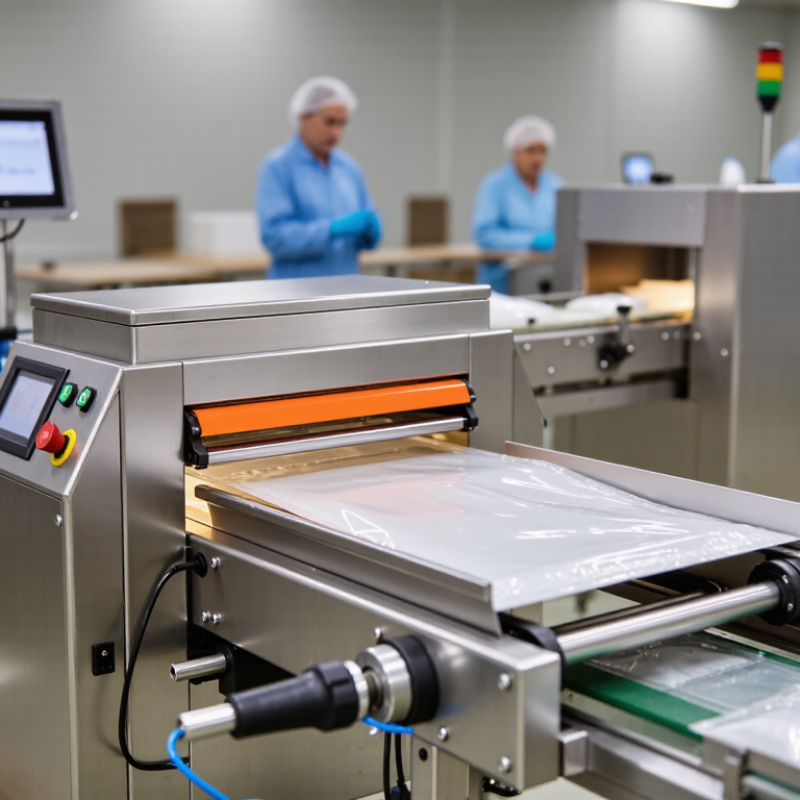
What Is a Packaging Sealer and How Does It Work?

Definition and Purpose of a Packaging Sealer

What Is a Packaging Sealer and How Does It Work?

Definition and Purpose of a Packaging Sealer

A packaging sealer is a machine or tool that closes an open package securely. It joins flexible film, plastic pouches, bags, or coated materials through heat, pressure, adhesive, or ultrasonic energy. Its main purpose is protection. A proper seal helps block moisture, dust, air, and handling damage. It also keeps the package closed during storage and transport.

In practical use, an operator places the package opening between heated sealing bars. The bars soften the material, apply steady pressure, and create a bonded seam. After cooling, the seam should remain smooth and continuous. Sealing performance depends on material type, thickness, temperature, pressure, and contact time. Too much heat can burn or distort the film. Too little heat may create a weak seal. Small wrinkles can cause hidden leaks, even when the package looks acceptable. No sealer is perfect without regular checks.

Tips: Keep the sealing surface clean and dry. Test several packages before full production. Check seal width, strength, and appearance. Adjust one setting at a time. A simple manual pull test can reveal problems, but it cannot replace documented quality checks. Record failed seals honestly; they often show a process issue, not just operator error.

What Is a Packaging Sealer and How Does It Work?

A packaging sealer closes bags, pouches, trays, and other packages by applying heat, pressure, or both. The chart shows common sealing equipment and representative sealing-cycle time ranges. Actual results vary with material, package size, film thickness, temperature, and machine settings.

Shorter cycle times are typical of heat-sealing machines for flexible packaging, while vacuum chamber sealers require additional time to remove air before the package is sealed.

Main Types of Packaging Sealers

A packaging sealer closes bags, pouches, trays, or containers with controlled heat, pressure, vacuum, or electromagnetic energy. Its purpose is simple: protect contents and maintain a consistent seal. The main types include impulse, constant-heat, band, vacuum, and induction sealers. Impulse sealers heat only when the jaws close, making them suitable for polyethylene and polypropylene bags. Constant-heat models keep both jaws warm, supporting thicker films and laminated materials. Band sealers move packages through heated belts, which helps production lines maintain steady output.

Vacuum sealers remove air before sealing, reducing oxidation and improving product stability. Induction sealers create a foil seal beneath a cap without direct contact. This method is common for bottles and jars. According to Grand View Research, the global packaging machinery market was valued at about USD 45.9 billion in 2023, with projected annual growth near 4.9% through 2030. The figure shows expanding automation demand, but it does not mean every operation needs a faster machine. Material compatibility still matters more than speed. A perfect setting is rarely found immediately.

Tips: Test the actual film, not only the supplier’s specification sheet. Check seal strength, temperature, dwell time, and pressure. Inspect samples after cooling. PMMI industry research repeatedly identifies labor shortages and automation as major packaging concerns. However, automation can expose poor setup faster. Record failed seals, because those mistakes often reveal uneven pressure, contamination, or excessive heat.

Key Components and Their Functions

What Is a Packaging Sealer and How Does It Work?

Key Components and Their Functions

A packaging sealer closes bags, pouches, trays, or cartons by applying heat, pressure, adhesive, or ultrasonic energy. Real machines are less tidy than diagrams. Their performance depends on several components working together. The sealing jaws or heated bands soften thermoplastic layers at a controlled temperature. Pressure then compresses the layers, while cooling helps create a stable bond. If temperature rises too far, the film may wrinkle, burn, or weaken.

The temperature controller and sensors are the sealer’s measurement system. Sensors monitor heat, product position, film movement, and seal presence. A programmable control unit adjusts timing and pressure through the machine interface. Conveyors or guide belts keep packages aligned beneath the sealing area. According to Fortune Business Insights, the global packaging machinery market was valued at about 52.83 billion dollars in 2023. That scale reflects growing demand for reliable, automated sealing equipment.

The pressure system deserves careful attention. Pneumatic cylinders, springs, or servo mechanisms must apply even force across the seal width. Uneven pressure can leave tiny channels where moisture or air enters. Maintenance teams should inspect jaw surfaces, belts, heaters, and sensor alignment regularly. The Packaging Machinery Manufacturers Institute has identified automation and labor efficiency as continuing industry priorities in recent outlook reports. Still, automation is not a cure-all. Poor film quality, incorrect settings, or rushed cleaning can defeat an otherwise advanced sealer.

How the Sealing Process Works Step by Step

A packaging sealer closes a pouch, tray, carton, or flexible film by creating a controlled barrier. The machine may use heat, pressure, ultrasonic energy, or adhesive. This article focuses on heat sealing, widely used for food, medical, and consumer packaging.

The process begins with material inspection. Operators check film thickness, coating condition, and cleanliness near the seal area. Even a small crumb can create a leak. The product is then positioned, leaving enough sealing space around its edges. Next, heated jaws or continuous belts contact the film. Temperature softens the sealant layer, while pressure brings both surfaces together. Dwell time controls how long the material remains compressed. Too little heat may cause channel leaks. Too much heat can burn, wrinkle, or weaken the package. Cooling follows while pressure remains applied. The seal must stabilize before the package moves.

Quality checks complete the cycle. Workers may use visual inspection, peel testing, burst testing, or dye penetration testing. ASTM F88, a widely referenced standard, measures seal strength through peel testing. ASTM F2096 evaluates gross leaks using internal pressure and bubble detection. These tests reveal different failures, so one method cannot prove everything. A 2024 Mordor Intelligence report valued the global packaging machinery market at about 45 billion U.S. dollars in 2023, reflecting continued investment in automated sealing and inspection. Yet automation is not a cure-all. Poor calibration, changing film batches, and rushed setup still cause failures. The seal looks simple. It is not.

What Is a Packaging Sealer and How Does It Work? - How the Sealing Process Works Step by Step

Step Process Stage What Happens Main Equipment or Setting Purpose and Quality Check
1 Package Preparation The product is placed inside a compatible pouch, bag, tray, or other flexible package. The sealing area is kept free of product, dust, moisture, and wrinkles. Packaging film, preformed pouch, tray, or bag; filling equipment may be used before sealing. A clean and flat sealing area helps prevent channels, weak spots, contamination, and incomplete closure.
2 Material Identification The operator confirms that the packaging structure is suitable for the selected sealing method. Common heat-sealable structures include polyethylene, polypropylene, coated paper, and laminated films. Film specification, sealant layer, package thickness, and compatibility information. The sealant layer must soften or bond under the selected conditions without damaging the package or product.
3 Machine Setup The sealing jaws, bands, rollers, or impulse wires are adjusted to match the package width and sealing area. Jaw alignment, conveyor position, sealing width, pressure, and dwell-time settings. Correct alignment distributes pressure evenly and reduces wrinkles, leaks, and uneven seal formation.
4 Temperature Application For heat sealing, controlled heat softens the sealant layer on the inside surfaces of the package. The exact temperature depends on the film structure and thickness. Heated jaws, heated bars, impulse wire, hot-air system, or heated continuous bands. Too little heat can produce a weak seal; excessive heat can cause film distortion, burn-through, or sealant squeeze-out.
5 Pressure Application Pressure brings the package surfaces into close contact while the softened sealant layers bond together. Mechanical jaws, pneumatic cylinders, rollers, or spring-loaded sealing bars. Stable pressure improves contact and reduces air channels. Excessive pressure may thin or damage the seal.
6 Dwell or Contact Time The package remains under heat and pressure for a controlled period. Continuous machines create the seal while the package moves through heated belts or rollers. Jaw dwell time, conveyor speed, roller speed, and contact length. The package must receive enough energy to form a bond, but not so much that the film deforms or the product is affected.
7 Cooling and Stabilization After heating, the seal is allowed to cool while pressure may be maintained. Cooling solidifies the sealant layer and stabilizes the joint. Cooling jaws, ambient cooling, compressed-air cooling, or a controlled cooling section. Opening the package before the seal has stabilized can reduce seal strength or create distortion.
8 Seal Inspection The finished seal is checked for continuity, width, wrinkles, burn marks, contamination, channels, and other visible defects. Visual inspection, seal-width measurement, leak testing, burst testing, or peel-strength testing. A suitable inspection method verifies that the package is closed consistently and meets the required specification.
9 Release or Rejection Packages that meet the requirements continue to labeling, secondary packing, or shipping. Defective packages are isolated for rework or disposal. Manual inspection, sampling plan, inline sensors, checkweigher, or automated reject system. Separating nonconforming packages prevents leaks, contamination, product loss, and distribution problems.

A packaging sealer is a machine that closes package materials by applying heat, pressure, ultrasonic energy, adhesive, or another bonding method. Heat sealing is widely used for flexible plastic packaging, but the correct settings always depend on the package material, sealant layer, thickness, product, and required seal performance.

Factors That Affect Seal Quality

What Is a Packaging Sealer and How Does It Work?

Factors That Affect Seal Quality

A packaging sealer closes bags, pouches, or films with controlled heat, pressure, or both. The machine softens the sealing layers, presses them together, and allows the joint to cool. A strong seal protects contents from moisture, air, and contamination. It also supports cleaner handling during storage and transport.

Seal quality depends on temperature, dwell time, pressure, and film structure. Too little heat can leave channels or weak edges. Excessive heat may wrinkle the film or burn through it. Pressure should remain even across the sealing bar. Dust, product particles, and grease can create tiny leaks. Room conditions matter too. High humidity can affect some packaging materials and change their behavior. Operators should check the seal width, appearance, and strength during production, not only afterward. I have found that a visually neat seal is not always a reliable seal.

Tips: Keep sealing surfaces clean and inspect them often. Match the temperature to the film supplier’s guidance. Run a small trial before full production. Test seals after cooling, because hot plastic can appear stronger than it is. Record settings, material batches, and test results. Small records reveal patterns. Also, avoid changing several settings at once. That makes troubleshooting harder. Even experienced operators can miss a narrow leak. A simple peel test can expose problems early.

FAQS

What is a packaging sealer used for?

It closes flexible films, pouches, bags, trays, or cartons. A secure seal helps block moisture, dust, air, and handling damage. Protection comes first.

How does a heat sealer create a sealed package?

Heated bars soften thermoplastic layers at the package opening. Pressure joins the softened layers into one bonded seam. Cooling helps stabilize the seal.

Which settings affect sealing quality?

Material type, film thickness, temperature, pressure, and contact time all matter. Change one setting at a time. This makes problems easier to trace.

What happens when the sealing temperature is too high?

Excessive heat can burn, wrinkle, distort, or weaken the film. The package may look sealed but fail during handling. More heat is not always better.

What happens when the temperature is too low?

The layers may not bond completely. The seam can open under light pulling or transport stress. It may seem acceptable at first.

How can operators check a package seal?

Inspect the seal for smoothness, continuous bonding, and visible wrinkles. Perform a simple manual pull test on sample packages. Record failed seals honestly.

Why can small wrinkles cause leaks?

Wrinkles may create narrow channels through the sealed area. Moisture or air can pass through these hidden paths. Appearance alone cannot prove seal integrity.

What maintenance does a packaging sealer need?

Keep sealing surfaces clean and dry. Inspect jaws, belts, heaters, sensors, and alignment regularly. Rushed cleaning can defeat good equipment.

Can automation guarantee perfect sealing results?

No, automation cannot correct poor film quality or incorrect settings. Uneven pressure and misplaced packages can still cause weak seams. No sealer is perfect.

Conclusion

Packaging Sealers are machines or tools designed to close and secure packaging by applying heat, pressure, adhesive, or a combination of these methods. Their main purpose is to protect products from moisture, air, dust, leakage, and damage while improving package appearance and storage stability. Common types include impulse sealers, continuous band sealers, heat-bar sealers, vacuum sealers, and induction sealers. Each type is suited to different materials, package shapes, production speeds, and sealing requirements.

A typical sealing process involves positioning the package, aligning the sealing area, applying the selected heat or pressure, allowing the seal to form, and then releasing or cooling it before inspection. Key components may include heating elements, sealing jaws, temperature controls, pressure systems, conveyors, and safety features. Seal quality can be affected by temperature, pressure, sealing time, film or pouch material, package cleanliness, alignment, and machine condition. Proper adjustment and regular inspection help create strong, consistent seals and reduce defects such as wrinkles, weak bonds, burns, or incomplete closures.


Isabella

Isabella

Isabella is a dedicated marketing professional with a sharp focus on driving brand growth and engagement through strategic content creation. With an extensive background in digital marketing, she combines her passion for storytelling with her keen understanding of industry trends to deliver......