 Huisu
Huisu
Chile's Packaging Sector: Transitioning from Manual Labor to Smart Automation
As one of South America's most stable and export-driven economies, Chile has established itself as a global powerhouse in agricultural exports, premium viticulture, seafood processing, and retail logistics. However, the modern Chilean industrial ecosystem faces structural shifts. Rapidly rising domestic labor costs, stricter international export standards (such as EU and North American retail compliance regulations), and the need for year-round operational throughput have made end-of-line packaging automation a necessity rather than a luxury.
Aggressive Export Regulations
Exporting agricultural goods like fresh cherries, grapes, and seafood to global markets requires high-integrity carton sealing that stands up to severe cold-chain moisture.
High Throughput Mandates
During the harvest seasons in regions like O'Higgins and Maule, packing houses operate 24/7. Manual sealing results in bottlenecks, tape waste, and inconsistent quality.
Logistical Supply-Chain Security
Securely taped and structured boxes minimize product theft, visual deformation, and transit damage throughout the long sea-freight routes from Valparaíso or San Antonio ports.
The Global Packaging Machinery Revolution
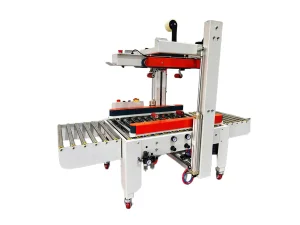
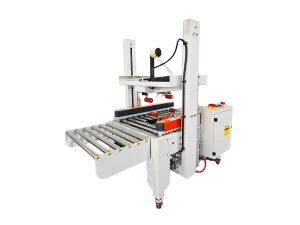
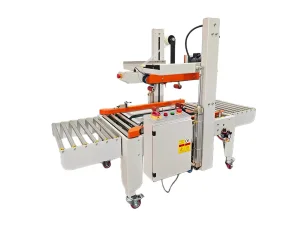
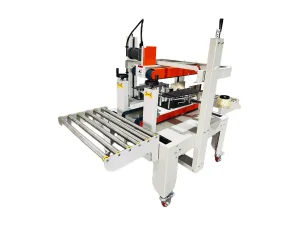
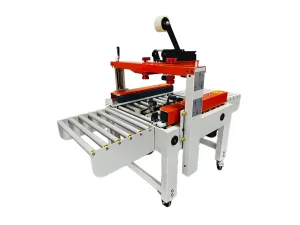
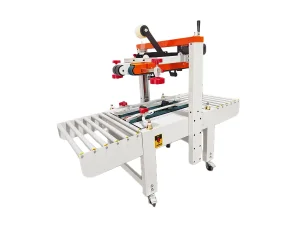
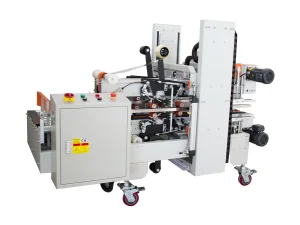
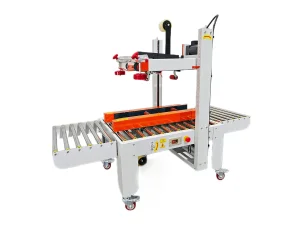
On a global scale, the industrial packaging machinery market is evolving toward intelligent, connected systems. Standard mechanical adjustability is being replaced by digital integration. Key trends include the adoption of Industry 4.0 IoT analytics for predictive maintenance, energy-efficient servo drives to lower energy consumption, and high compatibility with eco-friendly biodegradable paper tapes. In this highly competitive environment, Jiangsu Huisu Smart Equipment Co., Ltd. delivers premium, cost-effective machinery that bridges the gap between premium performance and accessible capital investment.